Interatomic contacts and hydrogen bonds were detected using the GetContacts scripts tool ( setting a hydrogen bond donor-acceptor distance of 3.3 and an angle value of 120 as geometrical cut-offs
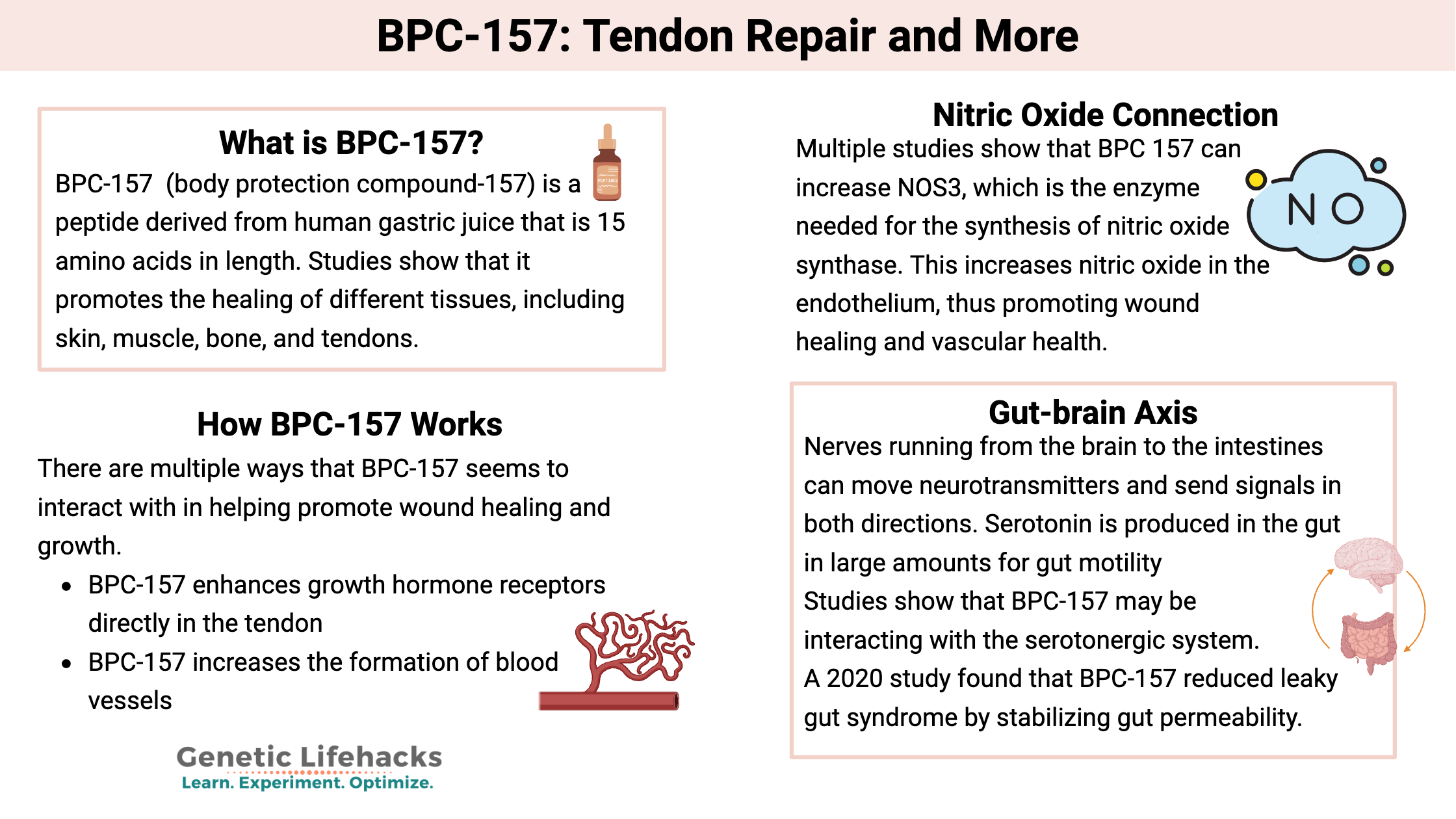
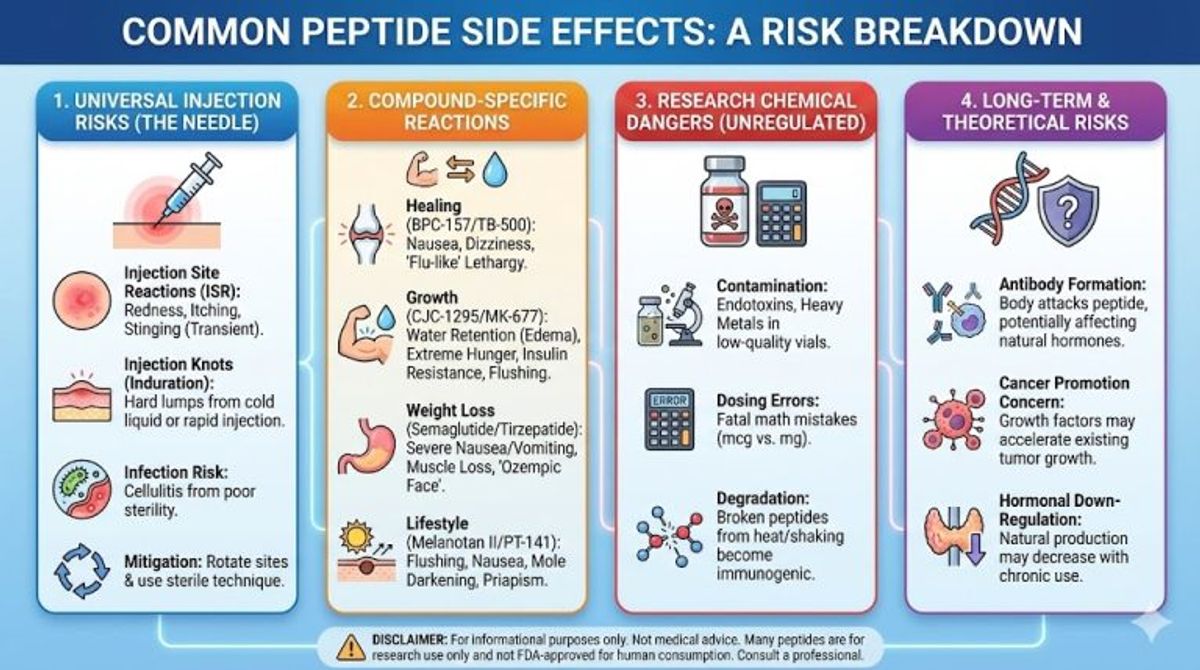
In a clinical setting, BPC-157 is used for a narrower and more defined set of problems than the internet suggests
metabolite Ac-LKKTE identified as potentially more active than parent compound Paradoxical finding: Both peptides show biological effects persisting hours to days after administration despite rapid plasma clearance Possible explanations: Tissue retention, active metabolites, or persistent signaling cascade activation Excretion Pathways Limited data exists on excretion for both peptides[22]: Likely renal elimination of peptide fragments Hepatic metabolism may contribute to clearance No accumulation detected in chronic dosing studies (animal models) Combined excretion kinetics have not been characterized in any species The disconnect between short plasma half-lives and prolonged biological effects represents a key area requiring mechanistic clarification for both individual peptides and their combination
The question is whether there is sufficient scientific evidence for each specific peptide, Svensson added
TB-500 promotes broader repair and flexibility Dosing synergy: BPC-157: 250500mcg 12x daily (local injection) TB-500: 25mg weekly (divided into 23 doses, SubQ or IM) TB-500 (thymosin beta-4) enhances angiogenesis and cellular differentiation, making it synergistic with BPC-157 in musculoskeletal recovery. Goldstein, A